Marketing 1on1 is a top provider of full-spectrum digital marketing solutions. We help companies build powerful online presences and connect with their ideal customers through strategic, data-driven approaches. In today’s digital-first world, effective marketing is essential for success.
Our agency offers three distinct SEO packages designed to meet diverse business requirements. These range from startup solutions website marketing San Antonio targeting low-competition keywords to enterprise-level strategies for highly competitive search terms. We offer full transparency with no contracts or sign-up fees, so clients can engage our services with confidence and flexibility.
The value of working with Marketing 1on1 lies in our specialized expertise and proven methodologies. We combine technical know-how with strategic thinking to deliver measurable results. Understanding the evolving digital landscape and consumer behavior patterns enables us to create cohesive campaigns across multiple channels.
This guide is a comprehensive resource for mastering digital marketing basics and advanced strategies. Discover how our professional services can accelerate growth in competitive markets and help your products services reach their full potential.
Digital Marketing Introduction
Modern marketing centres on digital approaches that enable precise audience targeting. Over the last decade, this field has become vital for organisational strategy. Companies now tailor messaging to reach specific groups more effectively.
How Digital Marketing Evolved
Digital marketing started with simple banner ads and email campaigns. It has expanded into sophisticated multi-channel ecosystems. AI and real-time analytics now power modern strategies.
Customer behaviour shifted heavily toward online research and social engagement. This shift made digital approaches central to business planning. What was once supplementary is now essential.
Benefits for Today’s Businesses
Businesses gain significant advantages from digital strategies. They can reach precisely targeted audiences and measure performance in real-time. Quick changes guided by data insights help optimise results.
Smaller companies can compete with larger enterprises using cost-effective channels. Social media and content marketing level out the playing field. Career opportunities for skilled marketers continue to grow quickly.
Organizations value professionals who navigate complex digital landscapes. The U.S. Bureau of Labor Statistics forecasts strong job growth in this field. Building long-term customer relationships becomes easier through personalised engagement.
Understanding the Digital Marketing Environment
Companies in the digital age must understand eight core marketing channels to reach their target audiences effectively. These core disciplines form the foundation of modern promotion strategies.
The eight primary categories are:
- Search Engine Optimization (SEO)
- Social media marketing
- Content marketing
- Email outreach
- PPC advertising
- Partner marketing
- Mobile-first marketing
- Marketing measurement & analytics
With over 6 billion internet users globally, digital approaches deliver unprecedented reach. Companies can connect with diverse audiences across geographical boundaries. This huge user base creates opportunities for businesses of all sizes.
Digital promotion requires minimal upfront investment compared to traditional methods. This affordability makes it well-suited for companies with limited budgets. Strategic channel selection and content optimization deliver significant impact.
The landscape constantly evolves with new platforms and consumer behaviors. Marketers need flexibility to adapt to emerging trends. Knowing where audiences spend time online is crucial for success.
An integrated approach leverages multiple channels together. This ensures consistent messaging across all customer touchpoints. Companies should prioritise channels based on specific goals and target demographics.
Mastering Online Marketing Strategies
Creating a successful promotional framework means understanding how different tactics work together across platforms. This approach transforms isolated efforts into coordinated campaigns that deliver consistent results.
Core Tactics to Reach Target Audiences
An effective strategy begins with clearly defined business objectives. Whether the focus is brand awareness, lead generation, or customer retention, goals shape the entire approach.
Understanding your audience is equally crucial. Market research supports the creation of detailed customer profiles. You learn about pain points, preferences, and digital behaviours.
Successful strategies integrate multiple channels seamlessly. They create a cohesive experience that guides potential customers through the journey. Each touchpoint reinforces your main message.
B2B and B2C approaches can differ significantly. Business clients respond to educational content and relationship building. Consumer audiences often prefer emotional appeals and faster conversions.
The digital sales funnel maps this journey effectively. Awareness-building activities like content creation attract attention. Conversion-focused tactics then turn that interest into action.
Alignment with business objectives ensures every campaign serves a purpose. Ongoing testing and optimisation refine your approach over time. Analytics provide the insights needed for improvement.
Consistency in brand voice and visual identity creates recognition. Yet tactics must adapt to each platform’s unique characteristics. This balance drives long-term success.
Unpacking Search Engine Optimization (SEO)
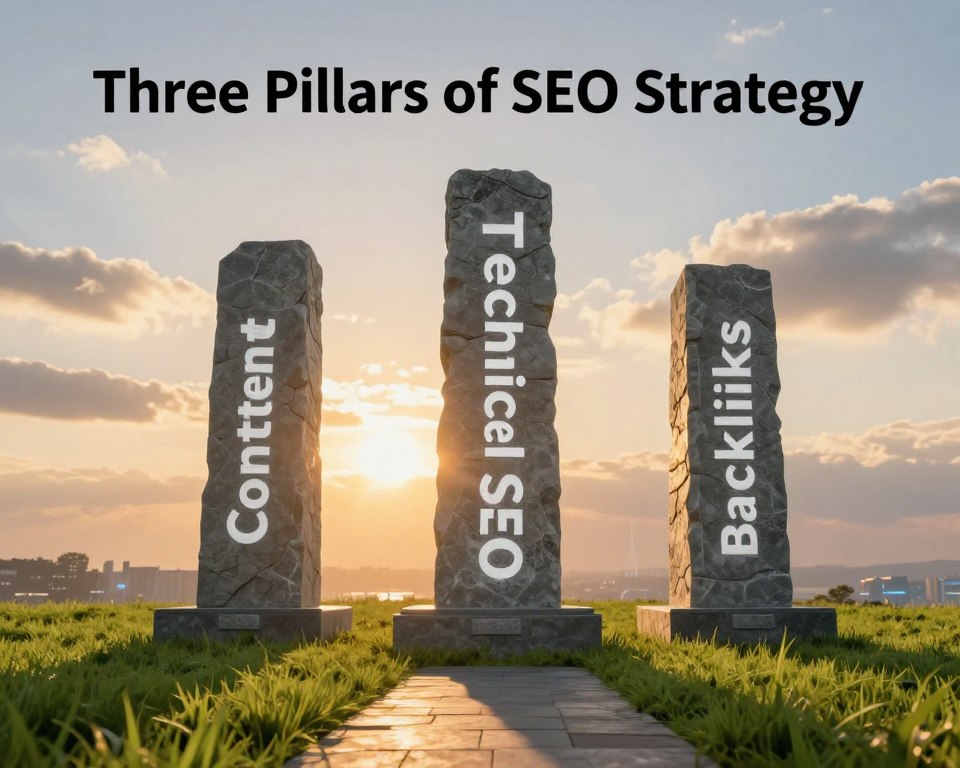
The art and science of search engine optimization drives visibility in competitive markets. This discipline blends technical precision with creative content development to achieve higher rankings in search engine results pages.
Effective search engine optimization requires balancing multiple factors that search engines assess. Quality content, technical performance, and user engagement metrics all contribute to successful SEO results.
| SEO Focus | On-Page Elements | Off-Page Signals | Technical Factors |
|---|---|---|---|
| Content Quality | Title tags, headlines, meta descriptions | Backlink authority and relevance | Mobile responsiveness and loading speed |
| Keyword Planning | URL structure, internal linking | Social signals, domain authority | HTTPS security and XML sitemaps |
| User Experience | Uniqueness of content, readability | Citation consistency, brand mentions | Structured data, crawlability |
On-Page vs Off-Page SEO
On-page search engine optimization focuses on elements you control on your website. This includes content quality, keyword placement, and internal linking.
Off-page SEO focuses on external factors like backlinks from authoritative websites. These signals tell search engines that your content is valuable and trustworthy.
Staying Updated with SEO Algorithms
Search engines continuously refine their algorithms to improve user experiences. Google updates its search algorithms hundreds of times each year.
Staying current with these changes ensures your SEO strategy remains effective. Regular monitoring and adjustments help maintain competitive rankings.
Using Content and Social Media Marketing
Content and social media marketing create a powerful partnership for modern business growth. These strategies work together to attract, engage, and convert your target audience effectively.
Content marketing builds trust by offering real value. It addresses customer needs with educational or entertaining resources. This approach establishes your brand as an authority in your field.
Content Marketing: Best Practices
Strong content marketing requires high-quality, original creation. Your materials should show expertise while staying accessible. A consistent publishing schedule keeps your audience engaged and returning.
Different content formats serve different purposes across the customer journey. The table below shows how each format connects with audience needs:
| Type of Content | Main Purpose | Best Audience Stage |
|---|---|---|
| Blog Posts/Articles | Education and awareness | Top of Funnel |
| Video and podcasts | Entertainment and engagement | MOFU |
| E-books and case studies | Conversion and decision | Bottom of Funnel |
Engagement Through Social Media
Social media platforms expand your content’s reach. They provide built-in metrics to measure engagement. This data helps you refine your approach over time.
Every platform needs a tailored strategy. Instagram supports visual storytelling while LinkedIn focuses on professional insights. Understanding these differences helps maximise impact.
Brand Voice and Storytelling
Authentic storytelling builds emotional connections with your audience. A consistent brand voice makes content recognisable. These elements help differentiate your business in competitive markets.
The synergy between content creation and social distribution drives results. Strong content gives social sharing real substance. Social platforms then bring traffic back to your website.
Email Marketing and Marketing Analytics
Combining email outreach with analytics creates a strong feedback loop for continuous campaign improvement. Email remains one of the most effective channels for direct customer communication.
Building Compelling Email Campaigns
Successful email campaigns begin with subject lines that capture attention and drive opens. Personalization goes beyond using recipient names—it involves tailoring content based on customer behavior and preferences.
Clear calls-to-action guide recipients toward desired outcomes. Mobile-responsive design ensures your message looks right on all devices. Segmentation lets you send targeted content to specific audience groups.
Automation sequences trigger emails based on user actions. A/B testing helps optimize every element of your campaign over time.
Data-Driven Decision Making
Marketing analytics deliver crucial insights into campaign performance. Key metrics like open rates measure subject line effectiveness. Click-through rates indicate how effectively your content engages recipients.
Analytics platforms track detailed user behaviour across multiple touchpoints. This data helps uncover successful tactics and areas that need improvement. The information guides strategic decisions and budget allocations.
90% of consumers find personalisation appealing. 81% want brands to understand them better. Using customer data to deliver relevant messages helps build stronger relationships.
Balancing promotional content with value-driven messages maintains subscriber engagement. Respecting privacy preferences and maintaining list hygiene builds trust over time.
How PPC and Affiliate Marketing Support Digital Campaigns
Pay-per-click campaigns provide direct access to targeted audiences through strategic bidding systems. This performance-based advertising model ensures you only pay when users click your ads. It delivers immediate visibility in search results and advertising networks.
PPC advertising runs through auction-based systems. Ad placement depends on bid level, ad quality, and landing page relevance. Higher-quality ads often achieve better positions at lower costs.
Improving Paid Advertising Strategies
Effective PPC campaigns offer precise audience targeting based on demographics and behaviors. You can focus on specific geographic markets to reach the right customers. Detailed tracking shows which ads generate conversions and sales.
Keyword research plays a key role in PPC success. Identifying high-intent search terms signals purchase readiness. Understanding competition levels helps optimize budget efficiency for your advertising campaigns.
Affiliate marketing leverages third-party websites and influencer audiences to promote products. This $13 billion industry creates mutually beneficial partnerships. Businesses access new audiences while affiliates earn commissions for driving traffic and leads.
Successful advertising requires ongoing management and optimization. Ongoing A/B testing of ad copy and creative helps improve performance. Tracking conversions beyond clicks ensures campaigns support real business outcomes like product purchases.
Mobile Marketing’s Impact on Engagement
Mobile devices have fundamentally reshaped how businesses connect with their target audiences. With 90% of Americans owning smartphones and average daily usage close to five hours, mobile platforms dominate customer interactions. This shift makes mobile optimization essential for reaching today’s consumers.
Mobile marketing includes multiple ways to engage customers on their devices. These include SMS messaging, mobile-optimised websites, in-app advertising, and location-based promotions. Each channel provides unique ways to deliver relevant content at the right time.
Optimizing for Mobile-First Audiences
The mobile-first philosophy prioritizes smartphone experiences above all else. Websites must load fast and use intuitive touch navigation. Content should be readable without zooming, with streamlined conversion paths for smaller screens.
Location-based targeting enables powerful personalisation in marketing efforts. Businesses can deliver special offers when customers enter specific geographic areas. This approach creates timely, relevant interactions that drive engagement.
Social media consumption heavily favors mobile platforms. Users spend significant time on apps like Facebook and Instagram via smartphones. Marketers should optimise social content for vertical formats and mobile-native features.
| Channel | Primary Use | Engagement Level |
|---|---|---|
| SMS/MMS messaging | Direct communication | Immediate |
| Mobile Apps | Brand interaction | Sustained engagement |
| Location-based | Geographic targeting | Highly relevant |
| Social Media | Content sharing | Building community |
Mobile commerce continues explosive growth, with global sales exceeding $6.3 trillion. Consumers increasingly make purchases directly from smartphones through optimized checkout experiences. This trend underscores the importance of mobile-optimized payment options.
Effective mobile strategies require testing across multiple devices and operating systems. Monitoring mobile-specific metrics like app engagement helps refine approaches over time. Continuous optimization based on user behavior ensures maximum impact.
Marketing 1on1 SEO Packages: A Comprehensive Overview
Marketing 1on1 structures its search optimisation services into three progressive tiers to match different competitive environments. Each package provides comprehensive SEO solutions tailored to specific business needs and market conditions.
Highlights of the Starter SEO Package
The Starter package supports businesses targeting low-competition keywords. This entry-level solution includes comprehensive audits and penalty identification. Companies receive complete keyword research and on-page optimization.
Custom link building and brand strategy development are central to this package. A ranking improvements guarantee helps provide confidence in results. Local campaigns can target up to three cities for geographic focus.
Benefits of the Business SEO Package
Growing businesses ready for medium-low competition keywords benefit from the Business package. This mid-tier option builds on the Starter foundation with enhanced strategies. The same comprehensive service suite applies but with advanced tactics.
Business growth objectives receive specialized attention in this package. The ranking guarantee remains in place to ensure measurable progress. Geographic targeting remains available for three cities maximum.
Ultimate SEO Package Features
Established enterprises competing for high-competition terms often need the Ultimate package. This advanced solution delivers intensive optimisation and sophisticated campaigns. All packages come with no contracts and no sign-up fees.
Package selection should match specific business goals and the competitive landscape. Marketing 1on1 provides consultation to identify the best fit for each organisation’s unique situation and market position.
The Importance of Comprehensive SEO Audits
A thorough SEO audit serves as the diagnostic foundation for any successful search engine optimization campaign. These evaluations examine technical infrastructure, content quality, and user experience factors. They uncover strengths and optimisation opportunities across multiple areas.
Technical components receive detailed review during audits. Experts check site architecture, loading speeds, and mobile responsiveness. They confirm HTTPS security, XML sitemaps, and structured data markup that helps search engines understand your content.
Finding Manual and Algorithmic Penalties
Audits critically examine penalty risks that can devastate search rankings. Algorithmic penalties happen automatically when websites violate search engine guidelines. Manual penalties are applied by human reviewers for serious violations like manipulative link schemes.
Marketing 1on1’s penalty identification process analyzes ranking histories and traffic patterns. They check Google Search Console warnings and backlink profiles to diagnose issues. This enables development of effective remediation strategies that restore search visibility.
Regularly repeating audits is essential as search algorithms evolve. Competitors adjust strategies while website content changes over time. Ongoing monitoring maintains optimal performance and addresses emerging problems quickly.
Advanced Keyword Research and Local Targeting
Effective keyword analysis converts random web traffic into qualified leads by understanding user search behaviour. This research foundation identifies what potential customers actually type into search engines. It matches business offerings with genuine user needs.
The process begins by brainstorming seed terms tied to products and services. Research tools then expand these into comprehensive keyword lists. Analysis of search volume and competition levels guides strategic selection.
Maximizing Reach in Key Cities
Local search optimisation helps connect businesses with geographically relevant audiences. Marketing 1on1 supports campaigns targeting up to three specific cities. This focused approach maximises visibility in key markets.
Local tactics include optimizing Google Business Profiles and ensuring consistent business information across directories. Location-specific content and customer reviews significantly improve local search rankings.
| Research Stage | Key Activities | Strategic Outcome |
|---|---|---|
| Initial Discovery | Brainstorm seed keywords, analyze competitor terms | Comprehensive keyword universe |
| Volume Analysis | Assess search frequency, seasonal trends | High-opportunity keyword selection |
| Intent Evaluation | Determine informational vs commercial search goals | Better alignment with user needs |
| Competition Review | Analyse ranking difficulty and competitor strength | Realistic targeting strategy |
Understanding search intent matters for generating qualified leads. Different keywords indicate whether users seek information, locations, or ready to purchase. Content must satisfy these specific intent needs.
Keyword research informs ongoing content strategy by revealing audience questions and competitor gaps. Regular monitoring identifies new opportunities as search trends shift. This continuous approach ensures lasting search visibility.
Custom Link Building & Brand Strategy Essentials
Quality backlinks from authoritative sources act as endorsements that search engines reward with higher rankings. This strategic process builds domain authority and organic traffic potential for your business.
Marketing 1on1 uses ethical approaches such as creating valuable content assets and building genuine industry relationships. We focus on link quality factors such as domain authority and editorial context.
Strong brand strategy differentiates your products services in crowded markets. Consistent messaging builds recognition that supports SEO efforts and encourages natural link acquisition.
Effective link building requires ongoing monitoring and patience. It’s a long-term investment that builds authority through sustainable relationship development.
Integrating Digital Tools for Better Marketing Results
The right technology stack changes how companies connect with audiences and measure campaign effectiveness. Digital tools amplify human expertise while automating repetitive tasks. They provide data-driven insights that enable personalization at scale.
Using Google Analytics
Google Analytics serves as the foundational platform for understanding customer behavior. It tracks website traffic sources and user navigation patterns. The tool measures content performance across different channels.
Effective use includes setting up goal tracking for conversions. Custom dashboards display key metrics for quick analysis. Segmentation helps analyze specific audience groups over time.
Utilizing Marketing Automation Tools
Marketing automation platforms streamline customer communication. They manage email sequences and social media scheduling efficiently. These tools enable timely messaging without manual intervention.
Automation uses behavioural triggers such as website visits or content downloads. It sends follow-up messages based on customer engagement. This creates personalised strategies for each customer.
Integration brings different platforms into a unified ecosystem. Data flows smoothly between systems for coordinated campaigns. The right tools support human creativity rather than replace it.
Emerging Trends in Digital and Online Marketing
Artificial intelligence and machine learning are transforming how marketers approach audience engagement and campaign optimisation. These technologies enable powerful personalisation and predictive capabilities that transform customer experiences.
Change in this field continues to speed up. Marketers need to stay current with new tools while keeping a strategic focus on core business objectives.
New Technologies and Strategies
Voice search optimisation has become essential as smart speakers become more popular. People now use conversational queries that require different SEO approaches. Featured snippets and local prominence matter more than ever.
Privacy-first strategies respond to growing consumer concerns about data protection. Businesses balance personalization with transparency and consent. This helps build trust while delivering relevant experiences.
Immersive technologies create more engaging customer interactions. Augmented reality allows people to visualise products in their own spaces. Virtual events provide novel brand experiences.
Video content dominates across platforms. Short-form videos on TikTok and Reels capture attention quickly. Long-form content on YouTube builds deeper connections.
| Emerging Technology | Main Application | Marketing Impact |
|---|---|---|
| Artificial intelligence (AI) | Predictive analytics, content generation | Hyper-personalization, efficiency |
| Voice search optimisation | Conversational queries, local search | SEO strategy adaptation |
| Augmented Reality | Product visualisation and interactive experiences | Improved engagement, reduced uncertainty |
| Blockchain technology | Data security, transparency | Trust building, authentication |
Successful marketers balance innovation with core principles. They test new tools while staying focused on customer needs. Ongoing learning ensures strategies stay effective and relevant.
Purpose-driven approaches connect with today’s consumers. Customers support brands that reflect their values. A genuine commitment to social responsibility builds lasting relationships.
Wrapping Up
Achieving sustainable growth in the modern marketplace requires combining data-driven insights with creative execution. Comprehensive digital marketing integrates multiple disciplines to reach organizational goals effectively.
Marketing 1on1 provides expert solutions through three tailored SEO packages. The Starter, Business, and Ultimate options deliver complete strategies for different competitive levels. This approach ensures measurable results with no contracts or sign-up fees.
Strong promotion requires continuous adaptation to market changes and audience needs. Partner with Marketing 1on1 to develop strategies that drive qualified leads and boost sales. Build lasting success through professional digital marketing services.
Company Name: Digital Marketing 1on1 SEO
Website: https://www.marketing1on1.com/SEO-company-san-antonio/
Address: 4400 Northwest Loop 410, San Antonio, TX 78229
Phone: (818) 538-4805
Related: Marketing 1on1 has the Best SEO Consultants in Cincinnati